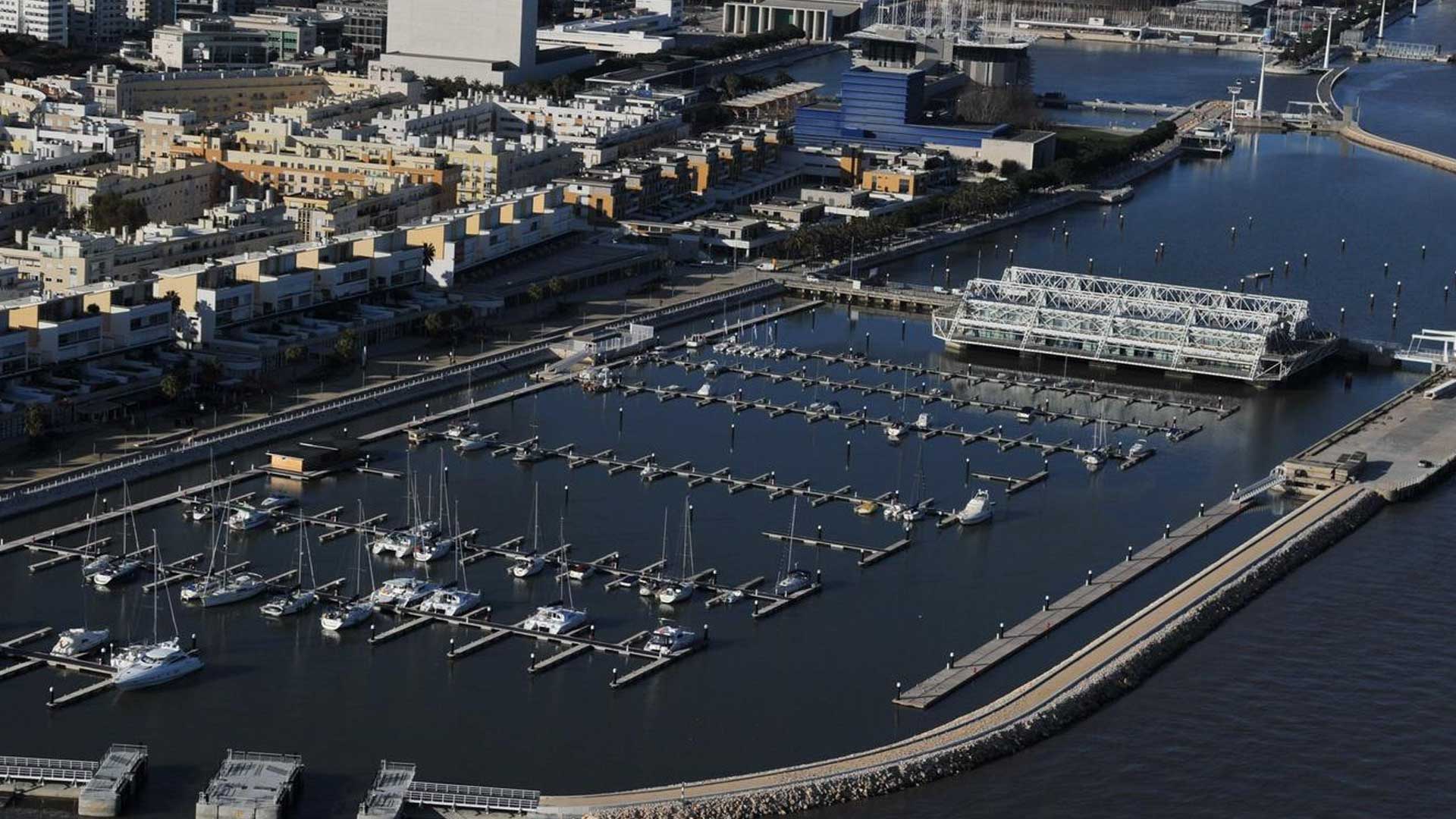
Ports that improve transportation
Factors such as the globalization of the economy that led to an increase in the flow of goods, a greater demand for quality services, to achieve shorter delivery times and lower costs, and intermodality requirements to expand transportation alternatives, conditioned the port design and forced them to adapt to meet new market demands. Likewise, climate change and the more intense winter effects have led to an increase in rehabilitation and protection works in coastal areas.
The construction area of the FCC Group has in its portfolio numerous maritime and river works, all over the world, of great technical complexity, with specialized teams and technicians capable of innovating and supporting these works all over the world. It has more than 60 kilometers of dikes, 50 kilometers of breakwaters and more than 1,000 caissons installed in port extensions.
The activities developed in this area include the project, the integral construction of the infrastructure, the EPC (Engineering Procurement Construction) contracts, the concessions of sports marinas and commercial ports (containers, bulk, multipurpose terminals) and industrial maritime facilities for oil, and its derivatives and gas.