


FCC Construcción progresses in the environmental performance assessment of the A9 BaHo project in The Netherlands
FCC Construcción progresses in the environmental performance assessment of the A9 BaHo project in The Netherlands
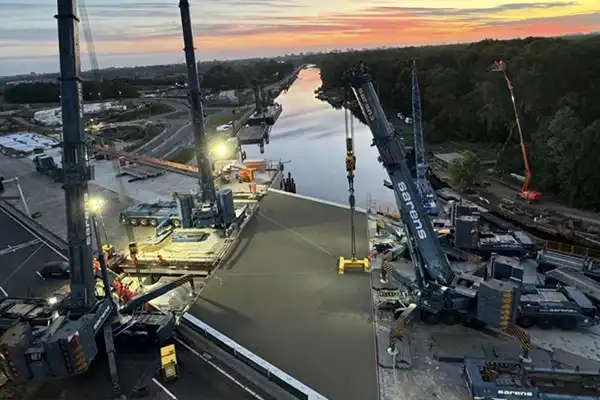
The A9 Badhoevedorp–Holendrecht (A9 BaHo) project, which is part of the broader Schiphol-Amsterdam-Almere Road Expansion Program Led in The Netherlands, integrates circular construction principles, material reuse, and continuous environmental monitoring. The project partners have been working to improve environmental performance indicators such as the MilieuKostenIndicator (MKI)—a Dutch lifecycle-based metric that quantifies the environmental cost of materials and construction processes.
By replacing virgin materials with recycled aggregates and sand, optimizing production processes, and testing new circular construction techniques, the project continues to demonstrate measurable progress in lowering the environmental impact of large-scale infrastructure works. These efforts align with sector-wide goals in The Netherlands, to achieve a circular concrete supply chain by 2030 and to reduce dependence on scarce natural resources.
LCA verification of principal materials and processes
Another significant milestone was achieved in 2025, when the A9 BAHO project verified the Life Cycle Assessment (LCA) of its principal materials and processes used in infrastructure construction. This verification represents a major step forward in transparency and environmental accountability.
Importantly, the initiative marks the first time that FCC Construcción has carried out verification of LCA data for its main infrastructure materials and construction processes, reinforcing the company’s commitment to evidence-based sustainability improvements and alignment with the international environmental assessment standards. The LCAs gather project-specific information, covering the full value chain, from the raw material of the suppliers to transport, production, and on-site installation, and were verified by a third independent party.
Additionally, as part of the CO2 Performance Ladder certification and the strategy to reduce emissions of the materials, the LCAs have helped to calculate the carbon footprint with the specific emission factors of each material, which marks a significant improvement in the sector’s ability to calculate emissions. Thanks to the sustainability-driven construction sector in The Netherlands, it has been possible to make significant advances in CO2 calculations methods.