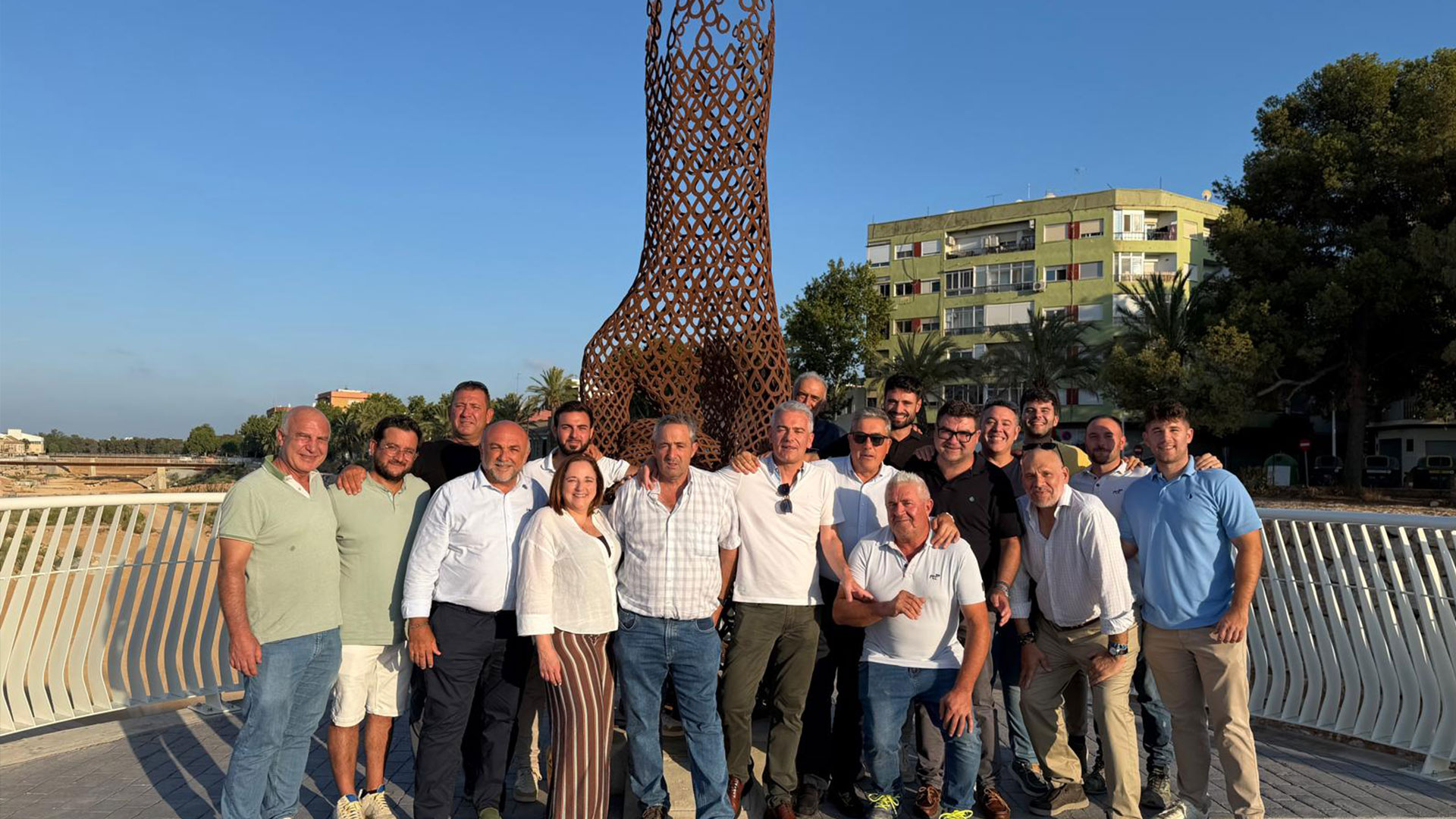
FCC Construcción has completed the Pont de la Memoria, the former bridge in the municipality of Picanya that was destroyed during the DANA of 2024. The new structure, which has been in service since 29 July, not only restores an essential link for the municipality but also serves as a permanent tribute to the victims and to those who helped with the recovery efforts following the disaster.
The new bridge retains its original location but has been designed to offer greater resistance to future flash floods. It features two lanes for vehicles, pavements for pedestrians and a two-way cycle lane, as well as a much more robust structure, founded on concrete piles anchored at great depth and designed to withstand extreme weather events.
The reconstruction of the bridge has involved an investment of 5.6 million, funded by the Ministry of Transport and Sustainable Mobility as part of the plan to rebuild infrastructure damaged by the DANA in the province of Valencia. As well as improving structural safety, the project has increased the ravine’s drainage capacity by setting the abutments back and incorporating a hydrodynamic design intended to facilitate the flow of water during periods of heavy flooding.
The bridge deck was constructed directly on site using a portal-type falsework (a temporary steel structure) comprising three spans of up to 12 metres, which facilitates the flow of water through the riverbed. The material used is prestressed concrete, with a hydrodynamic curved cross-section 1.50 metres deep, which reduces the weight of the structure without compromising its strength. As for the piers, they have a slender, elliptical shape oriented in the direction of the water flow, which helps to reduce the pressure exerted by the water during floods.
Meanwhile, the piers and the bridge abutments are founded on large concrete piles, 1.20 metres in diameter, anchored deep into the ground. Furthermore, the structural design better distributes the loads borne by the bridge and, together with the shape of its piers, provides it with greater stability and strength against future river floods. The deck is 13.15 metres wide, comprising 6.50 metres for vehicular traffic, 2.40 metres for a two-way cycle lane and a further 3 metres for pavements, plus the space required for the various side barriers on the bridge and for separating vehicular traffic from the cycle lane.
In addition, FCC Construcción has installed and donated the monument ‘Lágrimas que abrazan’, a work by the artist José María Piñero.
The sculpture depicts two hands joined by thousands of droplets, symbolising both rain and tears, and was created with a threefold purpose: to commemorate the local residents, to express gratitude for the help provided by individuals, institutions and organisations during the emergency, and to acknowledge the efforts of all the municipalities affected by the storm to get back on their feet. The sculpture is situated at a viewing point built above the Poyo ravine.
Available languages: